When Is the Right Moment to Replace a Warehouse Racking System?
You should replace your warehouse racking system when it has structural damage showing, it no longer matches your storage needs, it has seen repeated forklift impacts, it doesn’t pass safety inspections, or it seems to need fixes again and again. If you let it go too long and keep running damaged or outdated racking, the odds of workplace incidents go up , product damage becomes more likely, and operations can get hit with costly, surprising downtime. Catching the warning signs early, helps a business stay safer, and keeps things moving more smooth , sort of, while steering clear of those last-minute emergency swaps that no one really wants.
No matter if you run a distribution center, a manufacturing facility, or a logistics warehouse, your storage layout matters every day . Even if warehouse racks are engineered for durability, they are not built to last forever, not really.. As your company grows, and operational expectations change, your storage framework should follow it, not lag behind.
Based on our work inside industrial storage environments, we keep running into one common belief: if a rack is still standing, then it has to still be safe. Yet, even things that seem minor, like small structural harm or years of constant heavy loading, can reduce a rack’s performance. That’s how “quiet” safety risks get formed ,and nobody spots them until later.
In the sections below, you’ll find nine warning signs that indicate it’s time to replace your warehouse racking, plus clear guidance to help you decide sooner, before small problems turn into expensive ones.
Why swapping warehouse racking at the right time matters, a lot
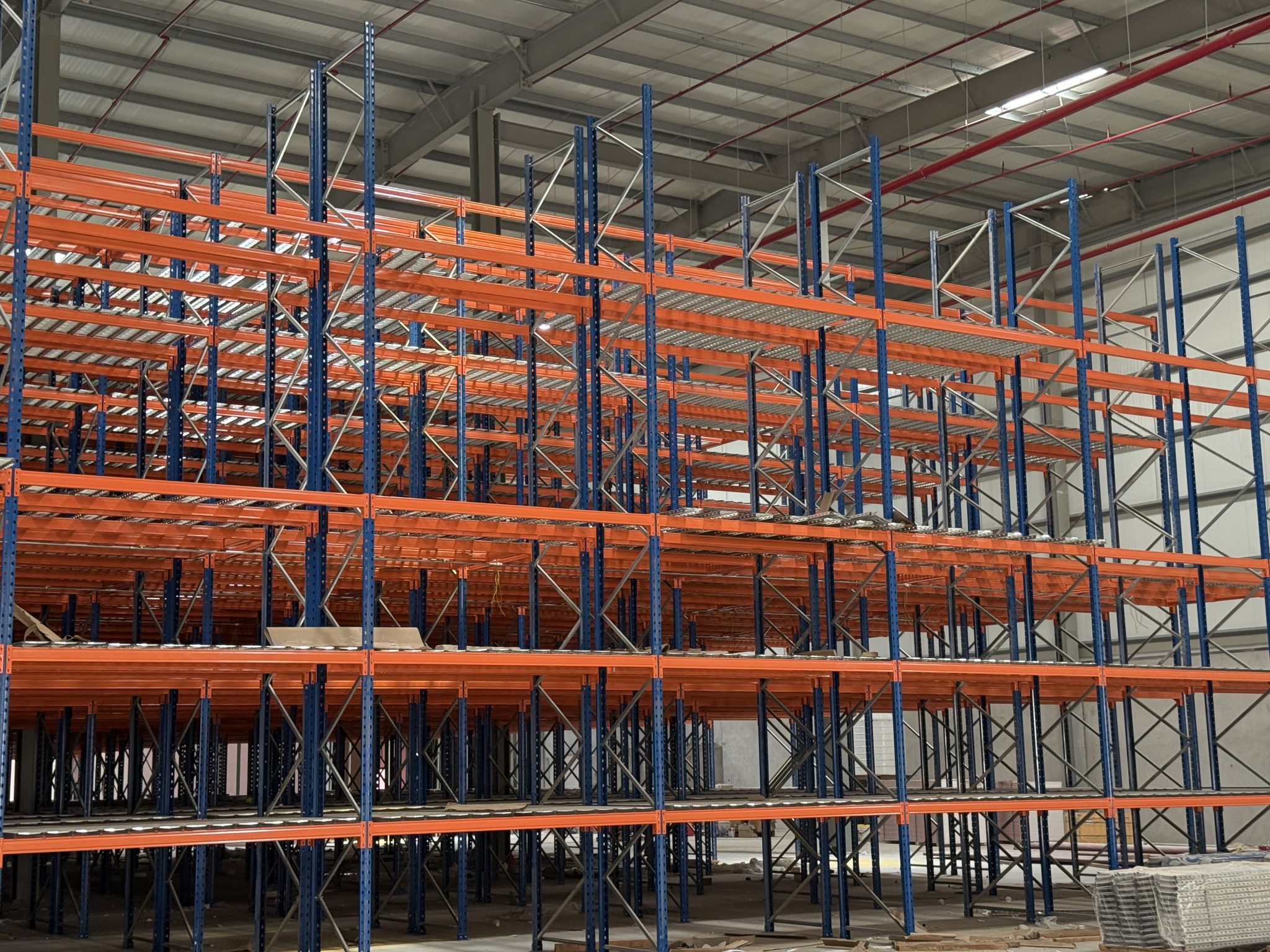
Warehouse racking system does more than just hold pallets. It sort of supports inventory, smooths up daily operations, helps guard workers and, in a very direct way, makes it easier to maximize each square meter of available space.
When the storage equipment starts to deteriorate, the effects are usually not limited to maintenance costs. Racking that’s been worn down can slow everything, force stop and go operations, lower storage efficiency, stretch picking times, and even create fresh safety hazards that you really don’t want.
That’s why replacing aged storage infrastructure before any major failure happens is often more cost effective than trying to cope with damaged inventory, production delays, or workplace incidents after the fact.
1.Visible Structural Damage Is Becoming More Frequent
Visible structural damage is starting to show up more often, and honestly it tends to be one of the clearest clues that replacement should be on the table.
During routine warehouse inspections you’ll want to keep a very close look on a few things like bent upright frames, twisted horizontal beams, cracked welds, rust or corrosion, loose floor anchors, missing locking pins, and also deformed base plates.
A lot of warehouse managers figure minor bends are mostly just cosmetic, but structural steel is designed to distribute the load in a more even balanced way. Once a beam or upright has been deformed, the load path kind of shifts so more stress ends up piling onto nearby components.
Then as time goes on, this can reduce the actual strength of the racking structure. Especially in higher load situations where the whole system is already doing more work.
And if damage keeps appearing even after regular repairs—replacing the affected sections, or sometimes the entire storage setup is often the safest long term choice.
2.Forklift Impacts Are Showing Up More Frequently
Forklifts are working their way through zones that feel constantly busy, narrow aisles, and tight pivot areas can lead to collisions more often. And even if protective guards are already installed, those small bumps that happen again and again can start to wear down structural pieces, bit by bit, over time.
People usually catch it through warning signs like:
- Scraped or dented uprights
- Misaligned frames
- Damaged beam connectors
- Leaning rack sections
- Loose anchor bolts
In many warehouse inspections, regular forklift-related damage usually tells you that the present storage arrangement may not really match how the vehicles move now. So instead of continuing to patch up impact marks again and again, it could be wiser to review whether a redesigned storage layout could help traffic flow, and reduce the probability of more incidents, later on.
3.Your Storage Needs Have Outgrown Your Current Layout
Business growth is positive but your warehouse really should grow along with it, sort of.
If your inventory levels have jumped quite a bit over the last few years, it’s possible your existing storage setup just doesn’t offer enough room anymore.
Some common indicators are, for example:
- Pallets stored in the aisles
- Temporary floor stacking
- Congested picking areas
- Reduced forklift maneuverability
- Longer order fulfillment times
These little operational warning signs tend to show up when the warehouse is working harder than it really needs to.
Instead of leasing more warehouse space, many companies see better outcomes by upgrading their warehouse racking system , to add more vertical storage capacity and make the inventory organization more orderly.
4.Repairs Are Turning Into a Usual Expense
Every industrial storage system needs some occasional upkeep. But there is a real gap between preventive maintenance and just, constant repairs, you know.
Try asking yourself
Are damaged beams being swapped out every few months
Do anchors get fixed again and again
Are rack protectors constantly replaced
Do inspection reports actually point to the same issues showing up repeatedly
When repair spending starts piling up year after year, switching to a new storage setup often gives stronger long term returns, compared to keeping it as is.
A brand new system usually cuts down on maintenance burdens while boosting operational efficiency and workplace safety.
5.Your inventory has changed
Warehouses rarely keep the same products forever, like not really indefinitely.
Businesses might now introduce things such as
larger pallets, heavier materials, different packaging dimensions, bulk inventory, and faster inventory turnover.
So storage systems that were built years ago may feel, well, outdated for today’s operational needs, and it can show up quicker than you expect.
If you use racks beyond their intended load capacity , you end up putting unnecessary stress on structural components and that , in turn, can raise the probability of failure.
Before you expand inventory at all, take a moment to check whether your existing racking is designed for current as well as upcoming product weights.
6.Safety inspections are revealing recurring issues
Regular inspections are really necessary to spot hazards before they turn into bigger headaches. When inspection reports keep pointing out the same damaged components, loose anchors, overloaded levels, or misalignment situations then it can be a sign that the storage system is nearing the end of its practical service life, not just having a minor fault.
When the same problems show up over and over it usually means there are deeper structural concerns underneath, and simple repairs or short fixes will not be enough. Tackling the true cause through replacement can raise safety standards and also make day to day operations more reliable, in a steadier way.
7.Warehouse Productivity Is Declining
A storage layout that’s not quite efficient can end up messing with daily operations more than many companies realize.
When staff spend too long, locating products , the forklifts can’t really move cleanly through the aisles , and the picking or order fulfillment starts to crawl, it usually means your storage setup is capping productivity. New racking solutions are built for better accessibility, better space utilization, and quicker inventory flow.
Switching away from an old arrangement often brings steadier workflows, and you tend to see stronger operational performance , pretty soon.
8.Your business is setting up for future growth
A warehousing system should handle not only today’s inventory levels , but also the expansion that comes later.
Many growing companies hit a moment where their current racks no longer can fit the increasing stock amounts . Rather than moving to a bigger site , improving the storage setup could give you that extra room you need without changing the warehouse footprint, or at least not right away.
If you plan ahead it reduces the chance of expensive slowdowns and keeps everything running smoothly while demand starts climbing .
9.The System doesn’t really fit modern warehouse needs anymore
Warehouse operations have changed a lot in the last few years. Faster order delivery, higher inventory rotation, and constant pressure for efficiency mean the storage setup has to keep up with today’s workflows, like honestly, right?
A warehouse racking layout that was common a while back might not match what you need now so it turns into a bit of a headache for keeping productivity consistent, and also making expansion easier later. Shifting toward modern storage solutions can help companies stay competitive in a market that keeps changing around.
Expert Tip: Don’t Judge Safety From Appearance, just like that
One of the biggest wrong assumptions in warehouse management is that racking only needs attention when something is obviously broken.
But really, internal stress can build up, there can be repeated impact loads, improper installations, beam capacity that gets overloaded, or even floor anchors that shift. All that can weaken structural stability long before any major damage shows up, in a way you can easily spot.
That is why seasoned warehouse operators do scheduled inspections, not just glance and hope everything is fine. They don’t want to rely solely on what they can see, because the danger is often quieter than it looks.
A proactive inspection program basically helps surface issues while they are still developing, so they don’t become a problem for employee safety or warehouse productivity later on.
Can you fix it, or should you swap it out
Not every damaged rack really means it needs to be fully replaced.
Sometimes small looking damage like superficial scratches, or chipped paint can be repaired, without really messing up the structural performance too much.
That said, replacement usually ends up the safer move when:
- The load bearing pieces have permanently warped
- The damage keeps returning, over and over
- Your load needs have expanded past the original design limits
- More than one section keeps needing attention and patching
- Replacement parts are no longer available
A professional inspection can help you figure out if repair is practical, or if spending on a newer storage setup will give you better long term results.
Final Thoughts
Swapping warehouse racking system isn’t just some “ maintenance thing ” It’s kind of an investment in safety, efficiency, and honestly long- term operations that keep things moving.
If your facility has recurring damage, more frequent repair costs, not enough storage space, or productivity that keeps slipping, then it might be the moment to look again at whether your current rack layout is still matched up with how your business runs.
Catching these signs early and acting in a proactive manner helps companies build a safer workplace, improve the day to day warehouse pace, and also back future growth with real confidence, not wishful thinking.